Strategy Overview
Technical SEO helps search engines discover, crawl, and understand a website’s important pages. For junk removal businesses, a technically sound website provides a stronger foundation for Local SEO by making service information accessible and helping visitors navigate the site more easily.
This strategy demonstration explores a practical approach to reviewing and improving the technical foundations of a junk removal website.
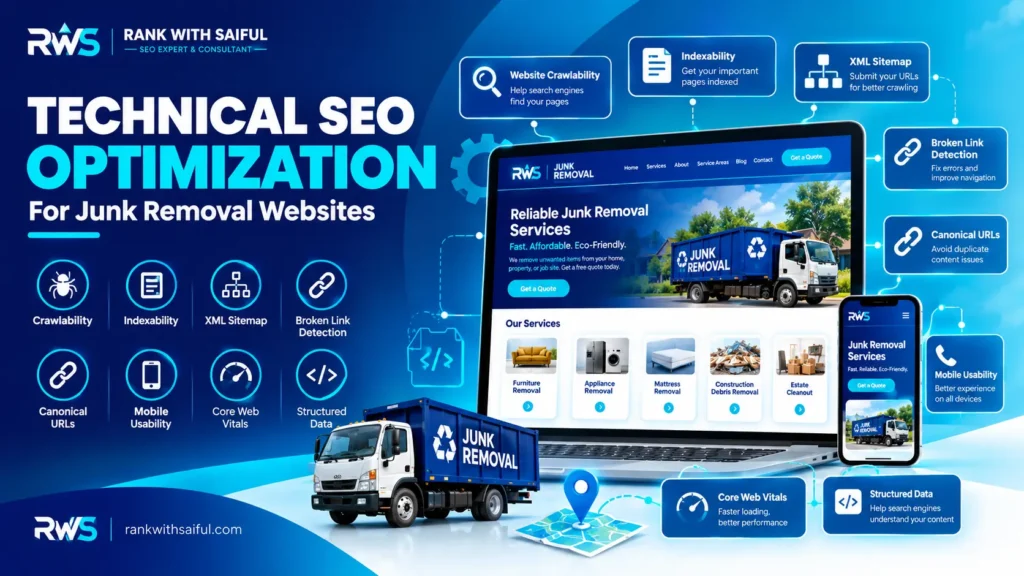
The focus is on crawlability, indexability, website structure, mobile usability, page performance, XML sitemaps, and structured data.
Technical SEO should work alongside a broader Local SEO strategy for Junk Removal companies to support a well-organized, search-friendly website.
The Challenge
A website may contain useful service pages and relevant local information but still have technical issues that affect how search engines access or interpret its content.
Examples include pages that are unintentionally blocked from indexing, broken internal links, incorrect canonical tags, redirect problems, slow-loading resources, and missing or outdated XML sitemap entries.
A technical SEO review helps identify which issues exist, which pages they affect, and which fixes should be prioritized.
Important: The issues listed above are potential problems to investigate, not verified errors found on a specific client website.
My Technical SEO Strategy
1. Review Website Crawlability
Search engines need to discover important website pages before they can evaluate them for search results.
I would review the website’s crawlability to identify obstacles that might prevent search engines from accessing useful content.
Optimization focus:
- Review the
robots.txtfile. - Check for accidentally blocked important resources or pages.
- Identify broken internal links.
- Review redirect chains and redirect loops.
- Ensure important pages are reachable through appropriate internal links.
Robots.txt should be used carefully because blocking a URL from crawling does not guarantee that the URL will never appear in search results.
2. Check Indexability
Not every website URL needs to be indexed. However, important service pages and other valuable content should be eligible for indexing when appropriate.
I would review indexability signals to understand whether search engines can index the pages that matter to the business.
Optimization focus:
- Check for unintended
noindexdirectives. - Review canonical tags.
- Identify important pages returning errors.
- Check whether canonical URLs point to the intended versions.
- Compare important URLs with their status in Google Search Console.
- Investigate pages reported as not indexed.
The goal is to identify the actual reason behind each indexing issue rather than assuming every unindexed page has the same problem.
When investigating indexing issues, a Local SEO audit checklist can help organize the review and identify which problems need further investigation.
3. Review XML Sitemap Configuration
An XML sitemap can help search engines discover important URLs, although sitemap inclusion does not guarantee indexing.
I would review the website’s sitemap configuration and compare its URLs with the pages intended for search visibility.
Optimization focus:
- Confirm that the XML sitemap is accessible.
- Include appropriate, canonical URLs.
- Exclude URLs that should not be indexed.
- Remove broken or redirected URLs from the sitemap.
- Submit the sitemap through Google Search Console.
- Monitor sitemap processing and reported indexing issues.
For a WordPress website, the sitemap may be generated by WordPress itself or by an SEO plugin, depending on the configuration.
4. Identify Broken Links and Redirect Issues
Broken links and poorly configured redirects can make navigation more difficult and waste crawling resources.
I would review internal links and important URL redirects to identify unnecessary obstacles.
Optimization focus:
- Find internal links leading to error pages.
- Replace outdated internal URLs with their correct destinations.
- Redirect permanently moved pages where appropriate.
- Avoid unnecessary redirect chains.
- Check for redirect loops.
- Confirm that important pages return the expected HTTP status codes.
Redirects should reflect genuine URL changes rather than being used indiscriminately.
5. Evaluate Website Performance
A website should provide a reliable, responsive experience for visitors, including people searching for junk removal services on mobile devices.
I would evaluate page performance to identify technical opportunities for improvement.
Optimization focus:
- Review Core Web Vitals.
- Optimize oversized images.
- Reduce unnecessary JavaScript and CSS where appropriate.
- Review server response times.
- Investigate layout shifts.
- Improve loading performance on important landing pages.
Tools such as PageSpeed Insights can help identify specific performance issues and recommended improvements.
Performance improvements should be guided by measurements rather than assumptions.
6. Review Mobile Usability
Potential customers may visit a junk removal website from a mobile phone while looking for a service or trying to contact a business.
I would review important pages across mobile and desktop layouts to identify usability problems.
Optimization focus:
- Confirm that the website uses a responsive layout.
- Check whether text is readable on smaller screens.
- Ensure navigation works correctly.
- Make important contact options easy to access.
- Check for overlapping elements and horizontal scrolling.
- Verify that important content is available on mobile.
The goal is to make the website usable across different screen sizes without hiding essential information.
7. Check Structured Data
Structured data can help search engines interpret certain information about a website and its content.
I would review whether the website uses appropriate structured data and whether the implementation follows relevant guidelines.
Optimization focus:
- Identify suitable schema types for the actual business and page content.
- Check existing structured data for errors.
- Ensure marked-up information matches visible content.
- Avoid adding unsupported claims or inaccurate business details.
- Test the implementation with Google’s available validation tools.
Structured data does not guarantee rich results or higher rankings. Its implementation should be accurate and relevant.
8. Review Website Architecture
A clear website structure helps visitors navigate between the homepage, service pages, supporting articles, and other important sections.
I would examine how important pages are organized and how users and search engines can discover them.
Optimization focus:
- Keep important pages accessible through internal links.
- Review unnecessary URL duplication.
- Check whether important pages are buried too deeply.
- Ensure navigation links point to the correct destinations.
- Review canonical URL consistency.
- Identify opportunities to simplify confusing navigation paths.
This review focuses on the website’s technical structure rather than repeating the content optimization work covered in the previous case study.
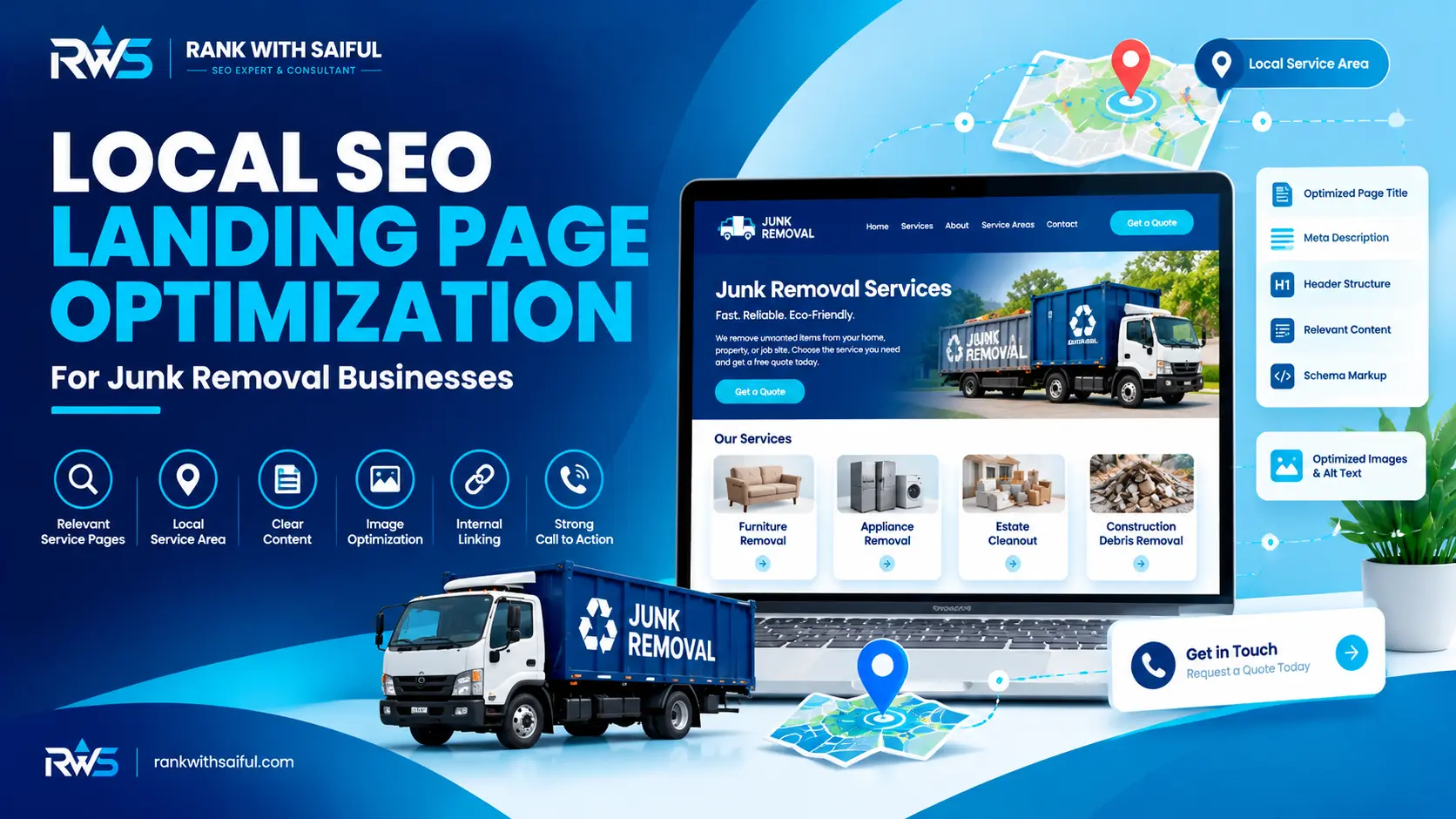
Once the technical foundations are reviewed, improving Local SEO landing page optimization can help make important service pages clearer and more useful for visitors.
9. Use Google Search Console for Diagnosis
Google Search Console provides valuable information about how Google discovers and processes a website’s URLs.
I would use it to investigate technical issues and monitor the website after changes are implemented.
Optimization focus:
- Inspect important URLs.
- Review indexing reports.
- Investigate relevant crawl and server errors.
- Check sitemap processing.
- Review Core Web Vitals reports where available.
- Validate fixes when the relevant report provides that option.
Search Console reports should be interpreted carefully because not every excluded URL represents a problem.
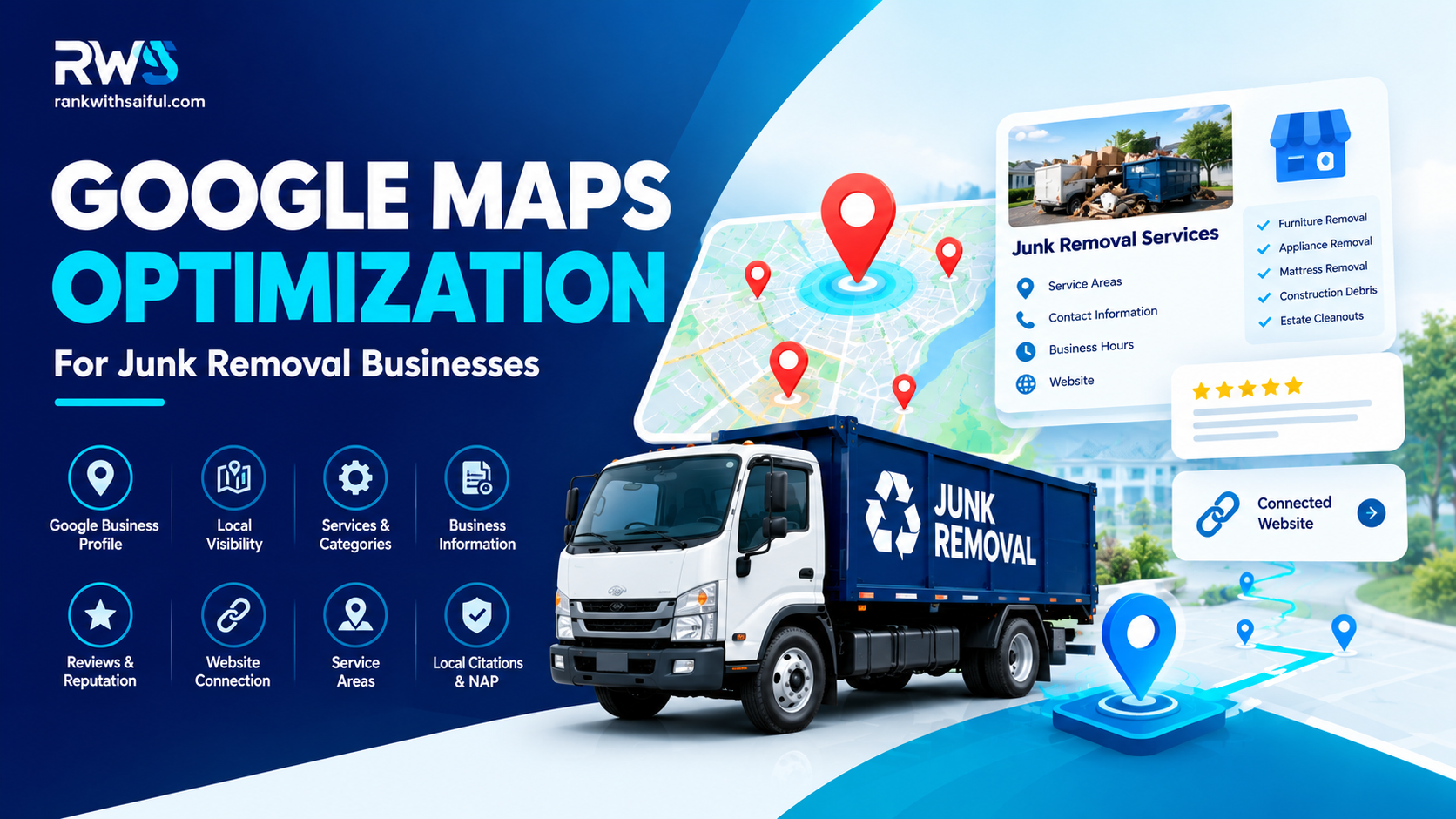
For a broader understanding of local visibility, review the Google Maps optimization strategy and how it complements website optimization.
10. Prioritize Technical Fixes
Not all technical issues have the same impact. I would prioritize issues based on their severity, the pages affected, and the likely consequences for users and search engines.
A practical priority order would be:
- Important pages that are unintentionally blocked or excluded from indexing.
- Server errors and broken URLs affecting important pages.
- Incorrect canonical tags and redirect problems.
- Sitemap and internal-linking issues affecting page discovery.
- Significant mobile usability or performance problems.
- Lower-priority technical improvements and maintenance tasks.
The exact order would depend on the issues discovered during an actual audit.
My Technical SEO Workflow
My approach follows a structured process:
Audit → Diagnose → Prioritize → Fix → Validate → Monitor
First, review the website and collect technical evidence. Next, identify the underlying causes of relevant issues. Then prioritize fixes, implement appropriate changes, validate the results, and monitor the website over time.
This approach helps ensure that technical recommendations are based on evidence rather than guesswork.
Expected Strategic Benefits
When the identified issues are addressed appropriately, this strategy can help a website work toward:
- Better accessibility of important pages for search engines.
- Fewer broken internal links and unnecessary redirects.
- More consistent canonical and sitemap configuration.
- Improved mobile usability.
- Better page performance where technical bottlenecks exist.
- A clearer foundation for ongoing Local SEO work.
These are intended benefits, not verified outcomes from a completed client campaign.
Final Thoughts
Technical SEO is an important part of maintaining a search-friendly website. For junk removal businesses, it helps ensure that important service information is accessible, the website works reliably, and technical obstacles are identified and addressed.
A structured technical review provides a practical foundation for ongoing website maintenance and broader Local SEO efforts.
Important Note
This portfolio entry is a technical SEO strategy demonstration created for educational and portfolio purposes. It illustrates my approach to reviewing a junk removal website’s technical SEO foundations. It does not represent a completed client project, verified technical audit findings, or guaranteed improvements in rankings, traffic, or leads.